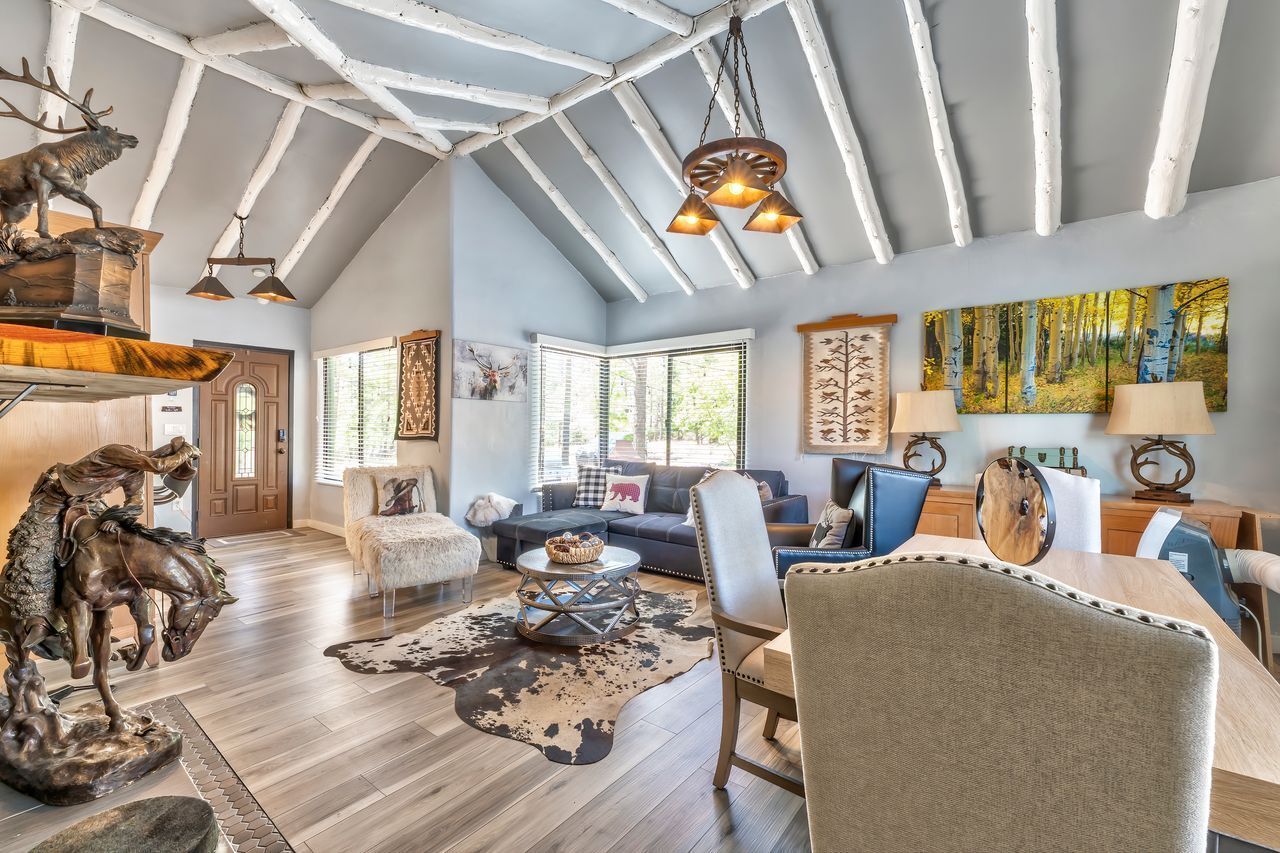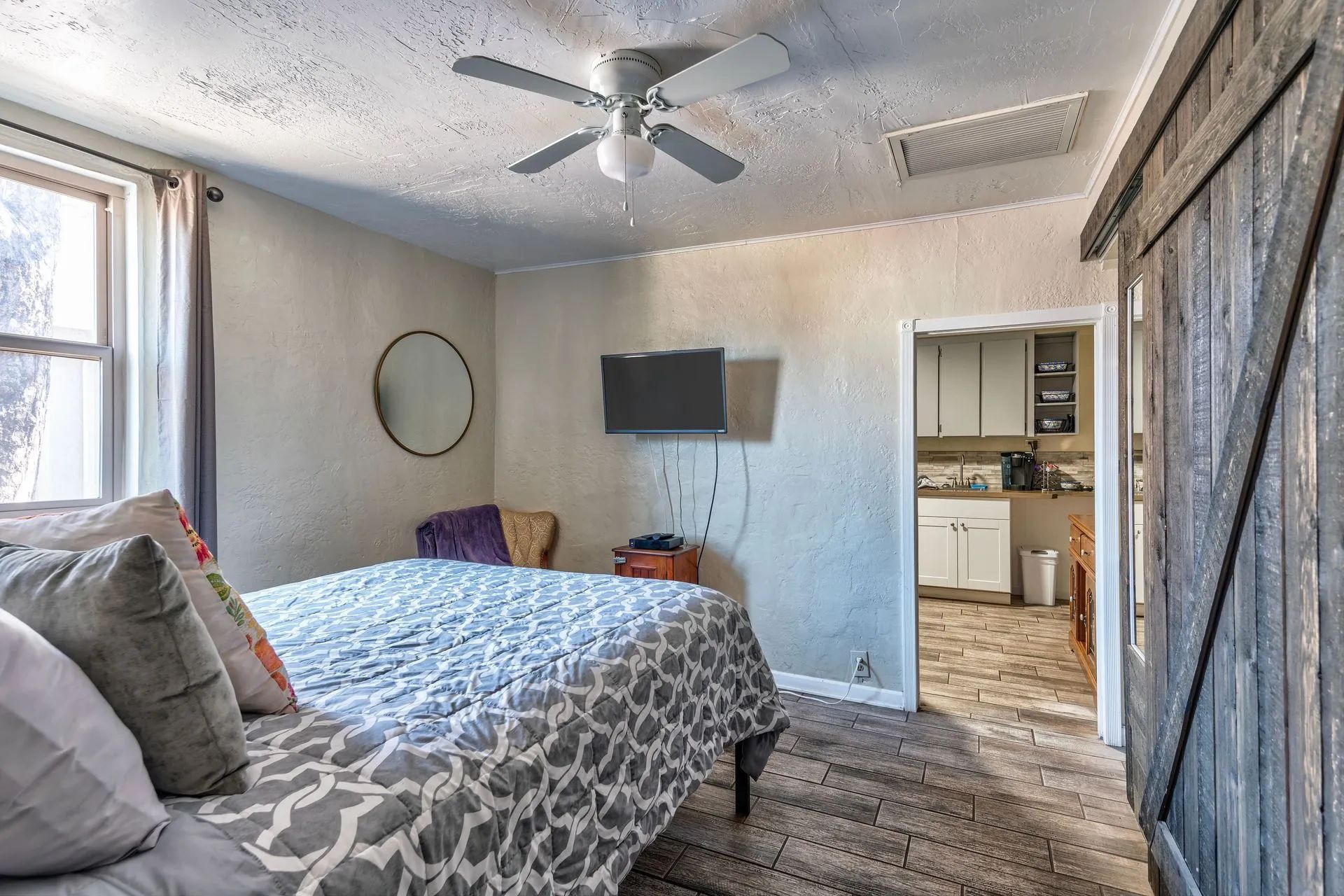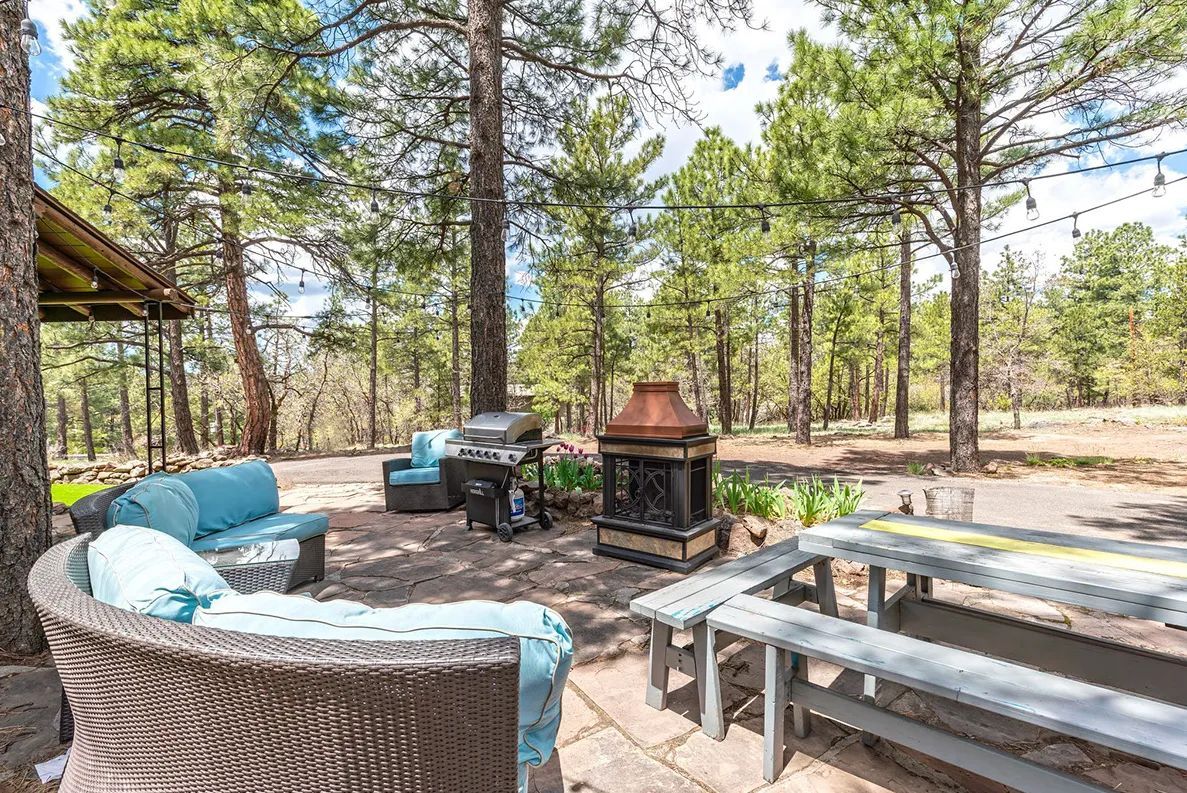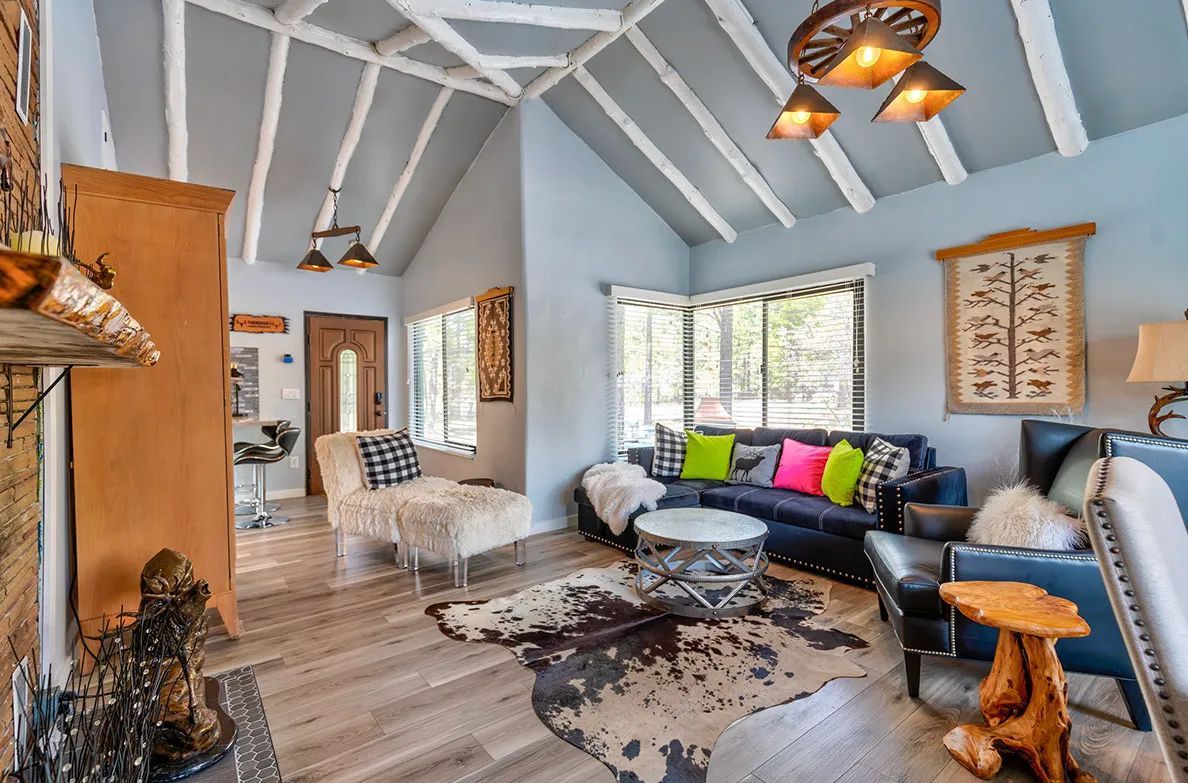

Balancing Comfort & Durability: Smart Furnishing Choices for Rentals
Creating a rental property that feels inviting while standing up to frequent use is one of the most important challenges property owners face today. Tenants expect a space that offers both comfort and visual appeal, but rentals also endure significantly more wear and tear than owner-occupied homes. From high tenant turnover to varying lifestyle habits, furnishings in rental properties must be selected with a strategic mindset. The goal is not only to attract tenants quickly but also to minimize long-term maintenance costs and replacements.
Balancing comfort and durability is no longer optional—it is a defining factor in maximizing return on investment. Well-chosen furnishings can elevate the tenant experience, reduce vacancy rates, and protect the property from unnecessary damage. On the other hand, poor furnishing decisions often lead to frequent repairs, negative tenant feedback, and higher operational expenses. By understanding how to blend practicality with style, property owners can create spaces that feel like home while maintaining resilience over time. This blog explores smart furnishing choices that strike the right balance, helping rental properties remain competitive, functional, and cost-effective in an increasingly demanding market.
1. Understanding the Demands of Rental Living
Tenant Expectations and Lifestyle Variability
Rental properties serve a wide range of tenants, from short-term occupants to long-term residents. Each tenant brings different habits, routines, and expectations, making it essential to choose furnishings that can adapt to varied lifestyles. Comfort remains a top priority, as tenants are more likely to stay longer in a space that feels welcoming and functional. However, unlike owner-occupied homes, rentals must withstand repeated use from multiple occupants over time.
For example, a sofa in a rental property may experience significantly more wear than one in a private residence. Tenants may entertain guests frequently or use furniture in ways that accelerate deterioration. Understanding these patterns helps guide better furnishing decisions that prioritize resilience without sacrificing usability.
Balancing Initial Investment with Long-Term Value
One of the most common mistakes in rental furnishing is focusing solely on upfront costs. While budget constraints are important, selecting cheaper materials often leads to higher replacement costs in the long run. Durable furnishings may require a slightly higher initial investment but tend to offer better value over time by reducing maintenance and replacement frequency.
A strategic approach involves evaluating cost-per-use rather than purchase price alone. For instance, investing in a high-quality mattress or sturdy dining table can prevent frequent replacements, ultimately saving money while maintaining tenant satisfaction. This mindset ensures that every furnishing decision contributes to long-term efficiency and profitability.
2. Choosing Durable Materials Without Compromising Comfort
Fabric Selection for High-Traffic Areas
Fabric plays a critical role in determining how well furniture performs in a rental environment. High-traffic areas such as living rooms and dining spaces require materials that resist stains, fading, and wear. Performance fabrics, microfiber, and leather alternatives are popular choices due to their durability and ease of cleaning.
At the same time, comfort should not be overlooked. Tenants are more likely to appreciate soft, breathable fabrics that enhance daily living. Selecting materials that combine both qualities ensures that furnishings remain appealing while standing up to regular use.
Frame Construction and Structural Integrity
The internal structure of furniture is just as important as its exterior. Solid wood frames, reinforced joints, and metal supports contribute to long-lasting durability. Lightweight or poorly constructed furniture may appear cost-effective initially but often fails under consistent use.
For example, a bed frame with reinforced slats can prevent sagging and extend mattress life, while a well-built sofa frame maintains its shape and comfort over time. Prioritizing structural integrity ensures that furnishings remain functional and safe for tenants.
Easy Maintenance as a Key Factor
Durability is closely linked to ease of maintenance. Furnishings that are easy to clean and maintain help reduce turnover preparation time and costs. Removable cushion covers, stain-resistant coatings, and washable materials simplify upkeep and keep the property looking fresh.
In rental settings, quick turnaround between tenants is essential. Choosing materials that support efficient cleaning processes enhances operational efficiency and preserves the overall appearance of the space.
3. Smart Furniture Design for Longevity and Flexibility
Multi-Functional Furniture for Space Optimization
Rental properties often benefit from furniture that serves multiple purposes. Multi-functional pieces such as sofa beds, storage ottomans, and extendable dining tables provide flexibility while maximizing space utilization. These options are particularly valuable in smaller units where efficient use of space is critical.
For example, a sofa bed allows a living room to double as a guest area, increasing the property’s appeal to a broader range of tenants. Similarly, storage-integrated furniture helps reduce clutter and enhances organization, contributing to a more comfortable living environment.
Modular Designs for Easy Replacement
Modular furniture offers a practical advantage in rental properties. Instead of replacing an entire piece when one part becomes damaged, individual components can be repaired or replaced. This approach reduces costs and extends the lifespan of furnishings.
For instance, sectional sofas with replaceable cushions or modular shelving systems allow for targeted repairs rather than full replacements. This flexibility is particularly useful in high-turnover properties where wear and tear is inevitable.
Neutral Aesthetics with Broad Appeal
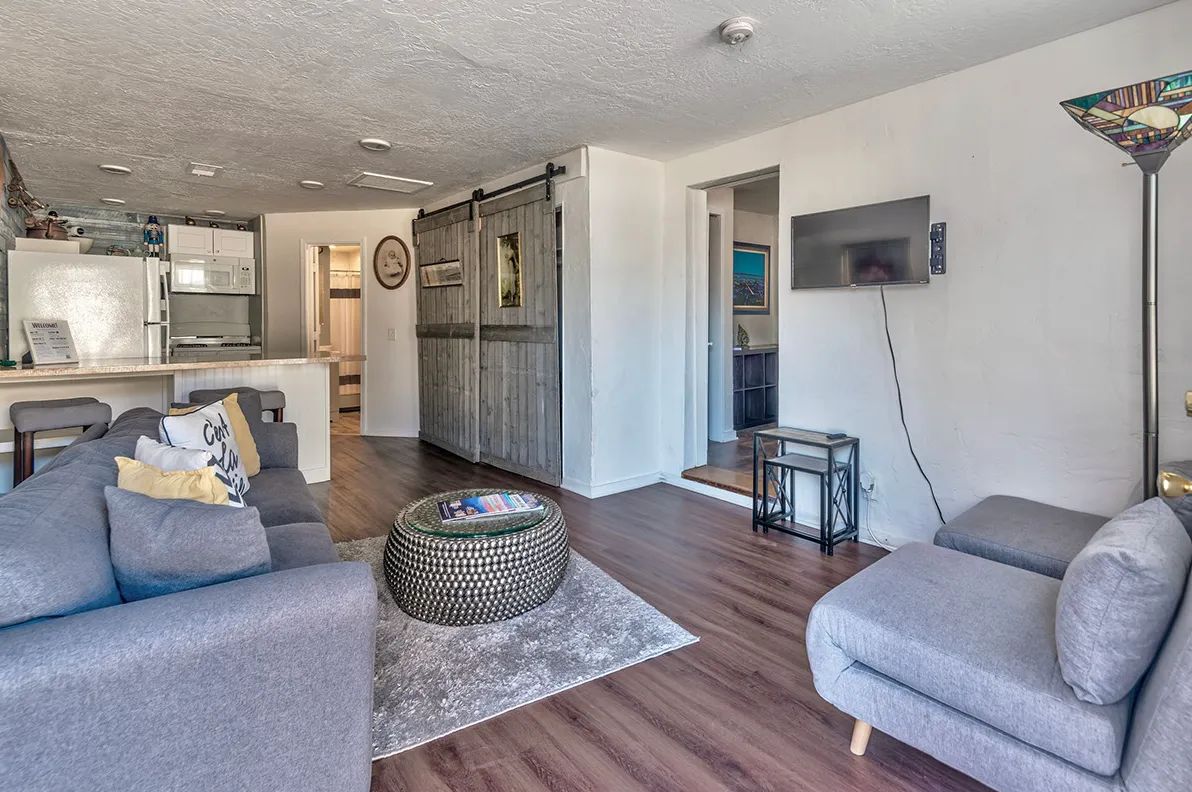
While durability is essential, visual appeal remains a key factor in attracting tenants. Neutral color palettes and timeless designs ensure that furnishings appeal to a wide audience. Bold or highly personalized styles may limit the property’s attractiveness to potential renters.
Neutral furnishings also make it easier to update the space with minimal effort. Adding new accessories or minor decor changes can refresh the look without requiring major investments. This adaptability supports long-term usability and market relevance.
4. Balancing Comfort Features with Practical Considerations
- Ergonomics and Everyday Usability
Comfort goes beyond softness—it includes proper support and usability. Ergonomic furniture enhances tenant satisfaction by promoting better posture and reducing discomfort during daily activities. Chairs with adequate back support, well-cushioned sofas, and properly sized beds contribute to a more enjoyable living experience.
For example, providing a comfortable workspace with an ergonomic chair and desk can significantly improve the appeal of a rental property, especially for remote workers. These features demonstrate attention to tenant needs while adding practical value.
- Temperature and Climate Considerations
Furnishing choices should also account for the local climate. Materials that perform well in specific weather conditions contribute to both comfort and durability. In warmer climates, breathable fabrics and moisture-resistant materials help maintain comfort, while in colder regions, insulated and cozy furnishings enhance livability.
Choosing climate-appropriate materials reduces the risk of damage caused by environmental factors such as humidity or temperature fluctuations. This consideration ensures that furnishings remain in good condition over time.
- Noise Reduction and Privacy Enhancements
Comfort in rental properties also includes a sense of privacy and quiet. Soft furnishings such as rugs, curtains, and upholstered furniture help absorb noise and create a more शांत environment. These elements enhance the overall living experience without requiring significant structural changes.
For example, adding thick curtains or area rugs can reduce noise between units, making the property more appealing to tenants seeking a शांत and आरामदायक space. These small additions contribute significantly to perceived comfort.
5. Cost-Effective Strategies for Long-Term Success
Standardization Across Multiple Units
For property owners managing multiple rentals, standardizing furnishings can streamline operations and reduce costs. Using similar furniture across units simplifies maintenance, repairs, and replacements. It also allows for bulk purchasing, which can lower overall expenses.
Standardization ensures consistency in quality and appearance, making it easier to maintain a cohesive brand image. Tenants benefit from reliable furnishings, while property owners gain efficiency in management.
Preventive Maintenance and Regular Inspections
Durability is not solely determined by initial quality—ongoing maintenance plays a crucial role. Regular inspections help identify early signs of wear and address issues before they escalate. Tightening loose screws, repairing minor damages, and cleaning upholstery can significantly extend the lifespan of furnishings.
Implementing a preventive maintenance plan reduces unexpected costs and ensures that the property remains in excellent condition. This proactive approach supports both tenant satisfaction and long-term profitability.
Balancing Budget Constraints with Quality
Achieving the right balance between cost and quality requires careful planning. Prioritizing high-use items such as beds, sofas, and dining furniture ensures that the most critical pieces meet durability standards. Less frequently used items can be selected with more flexibility in the budget.
For example, investing in a high-quality mattress while opting for cost-effective decorative elements allows for a balanced approach. This strategy ensures that essential comfort and durability needs are met without exceeding budget limitations.
Reliable Professionals Enhancing Rental Comfort and Durability
With 25 years of experience in the real estate industry, JoStack Properties in Flagstaff, Arizona, brings a deep understanding of what it takes to create successful, high-performing rental spaces. Furnishing decisions are never approached as simple design choices—they are treated as strategic investments that influence tenant satisfaction, property longevity, and financial performance. Every recommendation is grounded in practical experience, ensuring that comfort and durability are always aligned with long-term value.