
Marketing Your Downtown Rental: Attraction Strategies for Tourists & Locals
Maintaining rental properties in high-elevation markets requires a strategic approach that goes beyond routine repairs. Flagstaff’s distinct climate, seasonal tourism patterns, and diverse tenant expectations make property upkeep a critical factor in long-term asset performance. From fluctuating temperatures and snow accumulation to increased wear during peak occupancy periods, rental property owners must prioritize consistent maintenance planning. A well-structured checklist helps landlords protect property value, reduce emergency expenses, and create safe, comfortable living environments that attract and retain reliable tenants.
In today’s competitive rental landscape, preventive maintenance is no longer optional; it is a defining component of operational success. Investors and property managers who implement organized maintenance systems often experience fewer vacancies, stronger tenant relationships, and improved compliance with local housing standards. Beyond financial considerations, proactive upkeep reflects professionalism and builds trust within the community. By understanding the essential maintenance requirements specific to Flagstaff rental properties, owners can make informed decisions that support both short-term functionality and long-term portfolio growth. This comprehensive checklist outlines practical steps, expert insights, and best practices designed to streamline maintenance efforts while ensuring consistent performance across residential rental units.
1. Seasonal Exterior Maintenance Priorities
Roof and Gutter Inspections
Flagstaff’s heavy winter snowfall and sudden temperature shifts place considerable strain on roofing systems and structural components. Property owners should conduct thorough inspections before and after winter to identify loose shingles, ice dam formation, or hidden leaks developing unnoticed. Regular gutter cleaning prevents water backup that can damage siding, fascia boards, foundations, and surrounding landscaping areas. Installing gutter guards or heat cables can further reduce seasonal risks and minimize emergency repairs during peak snowfall periods each year.
Landscaping and Drainage Management
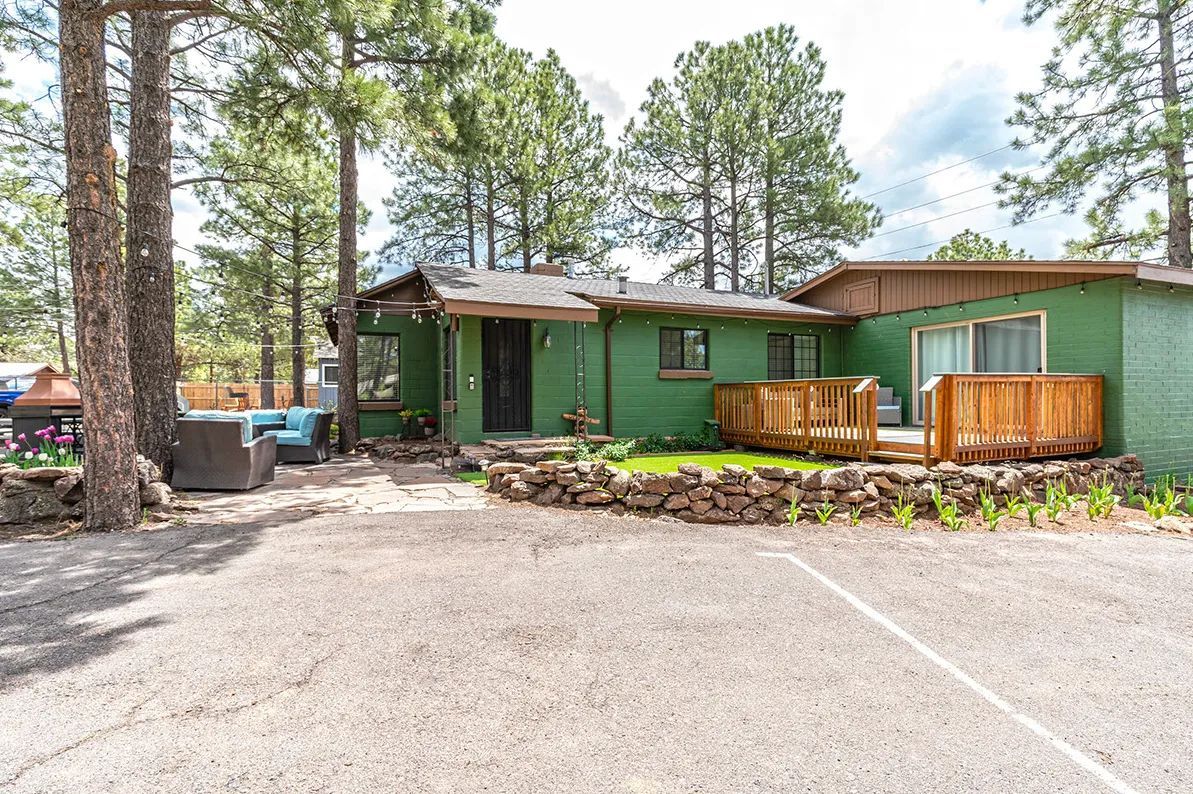
Well-maintained outdoor spaces improve curb appeal and reduce long-term structural concerns that impact overall property value. Snowmelt and monsoon rains can lead to soil erosion or pooling near building foundations if drainage systems are not properly maintained throughout changing seasons. Routine grading checks, trimming overgrown vegetation, and maintaining clear walkways help ensure tenant safety while preserving property integrity consistently. Landlords should also evaluate irrigation systems annually to avoid unnecessary water waste and prevent landscape deterioration during prolonged dry months.
Exterior Paint and Structural Protection
High-altitude sun exposure combined with cold weather cycles can accelerate paint deterioration across exterior walls and trim. Peeling or cracked paint not only impacts appearance but also exposes wood and siding materials to moisture damage over time. Property owners should schedule periodic repainting or sealing projects to maintain protective barriers against environmental wear and tear. Addressing minor cracks in stucco or siding early helps prevent costly structural repairs in the future and maintains building durability.
2. Interior Systems and Safety Compliance
HVAC Performance and Air Quality
Heating efficiency is a major concern in colder regions, making routine HVAC servicing essential for maintaining reliable system functionality. Annual furnace inspections, filter replacements, and thermostat calibrations ensure consistent indoor comfort and reduce energy consumption significantly. Property managers should also consider duct cleaning and humidity control strategies to maintain healthy air quality, particularly in units with long-term tenants. Proactive system maintenance helps prevent unexpected breakdowns during winter occupancy peaks and reduces emergency service disruptions.
Plumbing Reliability and Freeze Prevention
Frozen pipes are a common challenge in high-elevation rental markets that experience extended periods of subfreezing temperatures. Insulating exposed plumbing lines, sealing drafts near utility access points, and maintaining consistent indoor temperatures are effective preventive measures landlords should prioritize. Regular leak detection inspections in kitchens, bathrooms, and laundry areas can significantly reduce water damage risks and repair expenses. Educating tenants on simple precautions, such as keeping cabinet doors open during cold snaps, further supports maintenance efforts and system protection.
Electrical Safety and Code Readiness
Rental property owners must remain vigilant about electrical system performance and regulatory compliance to ensure tenant safety. Periodic inspections of outlets, breaker panels, and lighting fixtures help identify potential hazards before they escalate into costly issues. Installing energy-efficient lighting and surge protection devices not only improves safety but also enhances overall property appeal to prospective renters. Maintaining up-to-date smoke detectors and carbon monoxide alarms is a critical responsibility that protects both occupants and property investments consistently.
3. Preventive Maintenance Scheduling and Documentation
Establishing Routine Inspection Timelines
Creating a structured maintenance calendar allows property managers to stay ahead of recurring issues that develop gradually. Quarterly walk-through inspections help identify wear patterns, minor damages, or tenant concerns that might otherwise go unnoticed until repairs become urgent. Seasonal checklists tailored to local climate conditions improve efficiency and reduce the likelihood of costly emergency interventions throughout the year. By standardizing inspection protocols, landlords can ensure consistent maintenance quality across multiple rental units and property portfolios.
Digital Recordkeeping and Asset Tracking
Modern property management increasingly relies on digital tools to document maintenance activities and streamline operational workflows. Detailed records of repairs, service visits, and equipment warranties provide valuable insights for budgeting and long-term planning decisions. Maintenance logs also support legal compliance by demonstrating proactive property care and responsible ownership practices. Cloud-based systems allow managers to track asset lifecycles, schedule recurring tasks, and communicate efficiently with vendors and tenants in real time.
Budget Forecasting for Long-Term Stability
Preventive maintenance is closely tied to financial planning that supports predictable operational outcomes. Allocating funds for anticipated repairs helps avoid sudden cash flow disruptions and supports smoother property management processes. Owners should evaluate historical maintenance trends to identify recurring cost patterns and prioritize high-impact improvements that enhance property performance. Establishing reserve funds for major replacements, such as roofing or HVAC systems, ensures readiness for significant capital expenses while preserving long-term stability.
4. Tenant Communication and Maintenance Responsibility
Clear Lease Agreements and Expectations
Successful maintenance programs depend on shared responsibility between landlords and tenants to maintain property condition effectively. Lease agreements should clearly outline maintenance reporting procedures, tenant obligations, and response timelines to reduce confusion or disputes. Providing written guidelines or welcome packets helps occupants understand how to care for appliances, plumbing fixtures, and outdoor areas responsibly. Transparent communication reduces misunderstandings and encourages timely reporting of issues that could otherwise worsen property damage.
Responsive Maintenance Request Systems
Implementing user-friendly maintenance request platforms improves tenant satisfaction and operational efficiency across rental property portfolios. Online portals or dedicated communication channels allow residents to report concerns quickly, enabling faster resolution and improved service experiences. Prompt responses demonstrate professionalism and foster positive landlord-tenant relationships that support long-term occupancy stability. Efficient request management also prevents minor issues from escalating into major repairs that disrupt occupancy and increase costs.
Educating Tenants on Preventive Practices
Tenants play a crucial role in preserving property condition through responsible daily usage and timely communication. Periodic reminders about seasonal precautions, such as snow removal responsibilities or energy conservation tips, reinforce collaborative maintenance efforts among residents. Hosting informational sessions or sharing digital resources can empower tenants to participate actively in property care initiatives. This proactive approach not only protects physical assets but also strengthens community trust and improves overall tenant retention rates.
5. Energy Efficiency and Sustainable Property Upgrades
Insulation and Weatherproofing Enhancements
Energy efficiency remains a top priority for rental property owners seeking long-term savings and environmental responsibility. Upgrading insulation in attics, walls, and crawl spaces helps maintain consistent indoor temperatures and reduces heating costs significantly. Sealing gaps around windows and doors prevents drafts that strain HVAC systems and reduce occupant comfort. These improvements enhance tenant satisfaction while contributing to lower utility expenses and improved building performance year-round.
Smart Technology Integration
Modern renters increasingly value convenience and efficiency when choosing rental housing options in competitive markets. Installing programmable thermostats, smart lighting controls, and water-saving fixtures can significantly improve property appeal and leasing potential. These technologies allow landlords to monitor usage patterns and optimize maintenance schedules based on real-time performance data. Smart leak detection devices, for instance, provide early warnings that prevent extensive water damage and costly restoration work.
Long-Term Sustainability Planning
Sustainable maintenance strategies extend beyond individual upgrades and require thoughtful long-term investment planning by property owners. Property owners should evaluate renewable energy opportunities, durable construction materials, and waste reduction initiatives that support operational efficiency. Investing in high-quality replacements rather than temporary fixes often results in better financial returns over time and reduced maintenance frequency. By aligning maintenance decisions with sustainability goals, landlords can position their rental properties for future market demands confidently.
Dedicated Property Specialists Ensuring Consistent Investment Performance
For rental property owners seeking dependable guidance and proven expertise, JoStack Properties
stands as a trusted partner in property care and performance. With 25
years of experience serving the Flagstaff, Arizona community, we understand the region’s unique maintenance challenges and investment opportunities. Their commitment to proactive management, transparent communication, and tailored maintenance solutions helps property owners maximize value while minimizing stress. By combining industry knowledge with a client-focused approach, JoStack Properties continues to support landlords in maintaining safe, efficient, and desirable rental environments that perform consistently year after year.